
Science
Evidence-based digital medicine
At Newel Health, science is not a backdrop, it is the foundation. Our team publishes peer-reviewed research across digital therapeutics, behavioral science, cardiometabolic disease, neurology, and chronic pain to advance the evidence base for regulated, AI-enabled digital medical devices.
13
Peer-reviewed publications
8,992+
Subjects across our studies
3
Therapeutic areas
Published in







Publications
Our research
Body movement as a digital biomarker in chronic pain rehabilitation: a real-world pilot study using virtual reality
Liikkanen S, Jalkanen T, Mäkinen M, Huttunen T, Kilpeläinen R, Reijula J, Heimonen J, Mäkiniemi A, Gentile G, Eccleston C.
Frontiers in Virtual Reality, 6:1601823
In a real-world observatory study, patients with chronic musculoskeletal pain used Rohkea™ VR Therapy in a community clinic setting. Movement data collected via Oculus Quest sensors showed that participants with chronic pain exhibited micro-avoidance movement patterns — slower head movements, reduced reach, and lower picking speed for objects requiring spinal flexion — compared to a pain-free reference group. Participants were able to increase movement speed and range of motion during the intervention, extending results from controlled RCT settings into everyday clinical practice.
A prospective, double-blind, pilot, randomized, controlled trial of an 'embodied' virtual reality intervention for adults with low back pain
Eccleston C, Fisher E, Liikkanen S, Sarapohja T, Stenfors C, Jääskeläinen SKJ, Rice ASC, Mattila L, Blom T, Bratty JR.
PAIN, 163(9):1700–1715
A 3-arm, prospective, double-blind, pilot RCT comparing a VR-delivered digital therapeutic for pain (DTxP) against a sham placebo and standard care in 42 adults with chronic low back pain, high disability, and fear of movement. The DTxP group reported significantly greater reductions in fear of movement (TSK) and better global impression of change post-treatment compared to both controls. Within-group analyses showed reductions in disability, pain intensity, and pain interference from baseline. No serious treatment-related adverse events were observed. This is the first demonstration of a fully automated VR psychological intervention for chronic pain.
Body movement as a biomarker for use in chronic pain rehabilitation: An embedded analysis of an RCT of a virtual reality solution for adults with chronic pain
Liikkanen S, Mäkinen M, Huttunen T, Sarapohja T, Stenfors C, Eccleston C.
Frontiers in Pain Research, 3:1085791
An embedded analysis of the VIRPI RCT exploring wearable sensor data from Oculus Quest, Empatica Embrace2, and Garmin Vivosmart4 as digital biomarkers for chronic low back pain rehabilitation. Longitudinal movement velocity of head and hand sensors increased over the 30-session VR intervention and correlated significantly with improvements in clinical outcomes (Tampa Scale of Kinesiophobia, EQ5D QoL, Overall Health VAS). Head sensor velocity showed the strongest Spearman correlation with clinical improvement (r = −0.45 with TSK; +0.67 with overall health VAS), establishing a candidate digital biomarker for future use.
The Design and Development of an Embodied Semi-Autonomous Mentoring Intelligence (SAMI) for Use in Virtual Reality Interventions, Operationalized for the Self-Management of Chronic Pain
Bartlett J, Fisher E, Liikkanen S, Turunen J, Skog M, Eccleston C.
Frontiers in Virtual Reality, 3:882980
This paper presents the design and development principles behind SAMI (Semi-Autonomous Mentoring Intelligence), a non-human avatar guide embedded in an immersive VR intervention for chronic pain self-management. Drawing on literature across working alliance, uncanny valley avoidance, and automation in digital therapeutics, the authors outline a framework of considerations — including emotional congruency, humanoid-but-non-human aesthetics, scripted interaction, and safety guardrails — to guide the development of future virtual mentors in therapeutic contexts.
Latest Trends in Digital Therapeutics for Neurology
Kim HJ, Kim KM, Kim BS, Kim SW, Baik K, Seok JM, Sunwoo JS, Song IU, Woo HG, Lee ES, Jung JM, Choi K, Choi YH, Yang KI; on behalf of the Clinical Practice Guideline Committee of Korean Neurological Association.
Journal of the Korean Neurological Association, 43(3):142–152
A systematic review by the Korean Neurological Association's Clinical Practice Guideline Committee covering the current status and future outlook of digital therapeutics across major neurological conditions — Alzheimer's disease, Parkinson's disease, stroke, and rehabilitation. In the Parkinson's section, Soturi (by Newel Health) is highlighted as a leading example of AI-assisted medication optimization DTx. The authors cite a 2023 Michael J. Fox Foundation-supported pilot study demonstrating significantly prolonged ON-state duration in patients using the Soturi app to optimize levodopa dosing based on real-time wearable motor symptom data.
Design and Development of a Digital Therapeutics (DTx) Delivering Personalized Medication Optimization for People with Parkinson's Disease
Gentile G, Pellecchia MT, Iagulli PP, Aulisio R, Frediani M, Voolma SR, Chillè G.
6th World Parkinson Congress 2023, Abstract P40.08 — Barcelona, Spain
Project Soturi seeks to democratize access to healthcare services for people with Parkinson's disease (PwP). Soturi's AI algorithm aims to optimize levodopa-based treatment by supporting consumer-level wearable devices for motor symptom detection. A hybrid methodology—co-design with patients and clinicians, in-clinic validation, and longitudinal observational study—is proposed using the IDEAs framework and eXplainable AI. The resulting digital solution includes medication management, symptom diary, physical/speech exercises, emotional support, and physician-facing dashboards with alerts and treatment outcome predictions. Funded by the Michael J. Fox Foundation (Agreement ID: MJFF-02271).
Feasibility and Patient Acceptability of a Commercially Available Wearable and a Smartphone Application in Identification of Motor States in Parkinson's Disease
Liikkanen S, Sinkkonen J, Suorsa J, Kaasinen V, Pekkonen E, Kärppä M, Scheperjans F, Pesonen U, Keränen T, Sarapohja T, Huttunen T, Kuoppamäki M.
PLOS Digital Health, 2(4):e0000225
42 PD patients and 23 healthy controls were monitored over approximately four weeks using a commercially available Garmin Vivosmart 4 wearable and a custom symptom-and-medication diary smartphone application. 88.9% of PD patients rated the wearable as very easy or easy to use. Accelerometer spectral analysis revealed attenuation of low-frequency (<5 Hz) signals in patients versus controls, partially separating symptom from non-symptom periods. Variational autoencoders (VAE) trained on wearable accelerometer data successfully predicted movement states from the MJFF Levodopa Response Study dataset, validating a pre-detection strategy for PD symptom quantification. Results support the feasibility of consumer-grade wearables for continuous, real-world PD motor monitoring — a foundational building block for AI-assisted levodopa optimization.
Mobile Apps for Blood Pressure Monitoring: Systematic Search in App Stores and Content Analysis
Jamaladin H, van de Belt TH, Luijpers LCH, de Graaff FR, Bredie SJH, Roeleveld N, van Gelder MMHJ.
JMIR mHealth and uHealth, 6(11):e187
A systematic review and quality assessment of 184 blood pressure monitoring apps across Android and iOS app stores, using the validated Mobile App Rating Scale (MARS). AMICOMED BP achieved the highest overall quality score (3.6/5) among all iOS blood pressure apps evaluated — the only app to receive this distinction — across dimensions of engagement, functionality, aesthetics, and information quality.
Incremental Impact of Stressful Situations in Stage 1 vs. Stage 2 Hypertensives: Insights From a Large Digital BP Management Service and Registry
Peretto G, Bordignon T, Del Mauro G, Fabi M, Colombo E, Cianflone D.
Hypertension — AHA Scientific Sessions 2019, Abstract P2055
Leveraging 298,621 BP values from 8,992 subjects on a digital BP management platform, this study demonstrates that stressful conditions (work, exercise, headache) induce a significantly higher BP increase in Stage 2 hypertensives compared to normotensives. Hypertensives showed systolic increases up to +10.2 ± 1.4 mmHg (p < 0.0001) versus +6.7 ± 0.7 mmHg in normal-BP subjects during stress. These insights support the value of personalised digital strategies for hypertension management under real-life conditions.
Impact of the Changing Guidelines in the Classification of Patients: Insights from a Real Life mHealth Digital Registry
Del Mauro G, Bordignon T, Fabi M, Colombo E, Cianflone D.
Hypertension — AHA Scientific Sessions 2018, Abstract P346
Analysis of 176,432 blood pressure measurements from 7,956 spontaneous subscribers to a real-life digital BP registry showed that adopting the updated AHA/ACC guideline threshold (≤120/80 mmHg) doubles the proportion of subjects with non-controlled blood pressure compared to the previous threshold (≤130/85 mmHg). The findings highlight persistent gaps in achieving target BP levels even among the most health-aware hypertensive patients.
Validation of a m-Health Platform for Blood Pressure Control and Reduction
Peretto G, Del Mauro G, Bordignon T, Colombo E, Fabi M, Negri S, Vergani V, Cianflone D.
Hypertension — AHA Scientific Sessions 2017, Abstract P372
Validation of the reproducibility of initial results of a CE-certified mHealth service combining remote BP monitoring (PASCAL algorithm) with a personalized 3-month lifestyle-change program (SMART PRESSURE). Across 2,228 analysed subjects and 60,044 BP measurements, the lifestyle-change group achieved a significant systolic BP reduction of 4.7 ± 1.2 mmHg (p < 0.0001) versus 2.5 ± 0.9 mmHg in the monitoring-only group. Subjects with more than 3 elevated readings in the first 10 days showed the greatest improvement: −7.9 ± 1.4 mmHg systolic (p < 0.0001).
An Effective mHealth Service to Reduce Blood Pressure Without Adding Medications Through Personalized Automated Lifestyle Interventions
Cianflone D, Del Mauro G, Bordignon T, Colombo E, Fabi M, Costeri S, Cristell NA, Viscone I.
Journal of the American College of Cardiology — ACC.16 Poster Presentation
This pilot study demonstrates that a personalized and actionable lifestyle change program, prepared, delivered and monitored only through electronic means and coupled with a CE-certified App for BP interpretation and trend analysis, provides a strong and effective adjunctive tool for BP reduction. LC subjects achieved a significant reduction of systolic BP (−4.7 ± 1.2 mmHg) and diastolic BP (−3.1 ± 0.8 mmHg), p < 0.0001, versus non-significant changes in the matched control group.
Prevalence of Optimal Blood Pressure Values in Digital-Savvy Hypertensives
Cianflone D, Del Mauro G, Colombo E, Bordignon T, Costeri S, Fabi M, Viscone I.
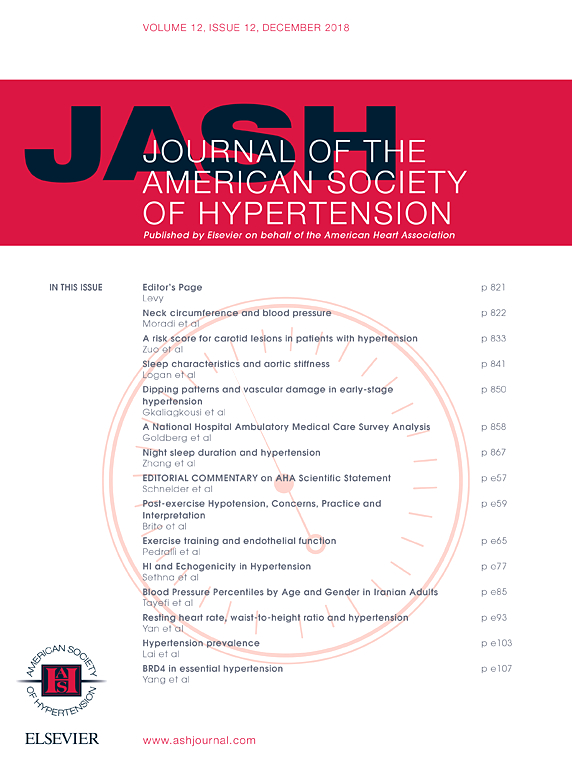
Journal of the American Society of Hypertension, 10(4S), Abstract P-11
Analysis of 42,316 BP measurements from 3,250 digital-savvy subjects enrolled in a real-time CE-certified BP recording and trend-evaluation service showed that the majority of readings failed to reach the intensive SPRINT threshold of < 120/80 mmHg. Only 27% of measurements met both systolic and diastolic optimal targets, while 63% of systolic values failed even the looser < 130/85 mmHg threshold, underscoring persistent gaps in BP control even among the most health-aware patients.
Institutional Partners
Institutions we collaborate with
We work alongside leading universities, research centres, and clinical organisations across Europe to design and validate evidence-based digital therapeutics.
Michael J. Fox Foundation for Parkinson's Research
New York, USA
The world's largest non-profit funder of Parkinson's disease research, the Michael J. Fox Foundation drives the development of improved therapies and, ultimately, a cure for Parkinson's disease through a portfolio spanning biomarker discovery, clinical trials, and digital health innovation.
Fundación para la Investigación Biosanitaria de Andalucía Oriental (FIBAO)
Granada, Spain
FIBAO is the biomedical research foundation of the Eastern Andalusia health system, supporting clinical and translational research across its affiliated hospitals and universities, with a focus on health innovation and evidence generation in real-world clinical settings.
University of Geneva
Geneva, Switzerland
The University of Geneva's Department of Computer Science hosts the Quality of Life Technologies (QoL) Lab, which conducts research on digital health technologies, data analytics, and patient monitoring systems. The lab contributes technical expertise in software development and the evaluation of digital health interventions across multiple EU-funded research programmes.
University of Salerno
Salerno, Italy
The University of Salerno hosts the Department of Medicine, Surgery and Dentistry 'Scuola Medica Salernitana', whose Neuroscience Section is an active partner in clinical and digital health research. The department contributes expertise in movement disorders, Parkinson's disease management, and the clinical validation of digital therapeutics.
Universidade de Coimbra — Faculty of Economics
Coimbra, Portugal
The Faculty of Economics at the University of Coimbra provides expertise in health economics and evaluation of healthcare interventions. It supports the assessment of cost-effectiveness and long-term sustainability of digital health solutions within EU-funded research programmes.
Nursing School of Lisbon — NURSID
Lisbon, Portugal
The Nursing Research, Innovation and Development Centre (NURSID) at the Nursing School of Lisbon focuses on research and innovation in nursing practice and patient care pathways. It contributes expertise in rehabilitation processes, patient engagement, and the integration of digital tools into clinical workflows.
IRCCS Ospedale San Raffaele
Milano, Italy
One of Europe's leading biomedical research hospitals, IRCCS San Raffaele combines world-class clinical care with an internationally recognised research programme spanning cardiology, metabolic disease, and digital health.
IRCCS Istituto Neurologico Carlo Besta
Milano, Italy
One of Italy's foremost neurological IRCCS institutes, the Carlo Besta Foundation combines advanced clinical neurology with a strong translational research programme spanning neurological diseases, rare conditions, and digital health endpoints.
IRCCS Santa Lucia Foundation
Roma, Italy
Italy's foremost IRCCS dedicated to neurological rehabilitation, the Santa Lucia Foundation integrates advanced neuroscience research with highly specialised clinical practice in motor and cognitive disorders.
AOU San Giovanni di Dio e Ruggi d'Aragona
Salerno, Italy
A major University Hospital in Southern Italy, AOU Salerno integrates teaching, research, and specialist clinical care across a broad range of medical disciplines.
IRCCS San Raffaele Roma
Rome, Italy
IRCCS San Raffaele Roma is a scientific institute and hospital with recognised expertise in neurology and neurorehabilitation. It collaborates on clinical research activities involving neurological patients, contributing to data collection and clinical validation in multicentre studies focused on Parkinson's disease and movement disorders.
Geneva University Hospital (HUG)
Geneva, Switzerland
Geneva University Hospitals (Hôpitaux Universitaires de Genève) is one of the largest academic healthcare institutions in Switzerland, providing advanced clinical care alongside a strong research programme. It supports multicentre clinical studies through patient recruitment, standardised clinical assessments, and translational research in neurology and cerebrovascular disease.
University Hospital of Angers
Angers, France
The University Hospital of Angers is a leading clinical research centre in France, actively involved in neurological and cerebrovascular studies. It contributes to patient enrolment, clinical evaluation, and data collection within international multicentre research programmes.
University Hospital of Tours
Tours, France
The University Hospital of Tours participates in collaborative clinical research in neurology and cerebrovascular medicine. It supports the implementation of study protocols and standardised clinical assessments across multicentre research projects.
Vilnius University Hospital Santaros Klinikos
Vilnius, Lithuania
Santaros Klinikos is the largest tertiary care and academic research hospital in Lithuania, with strong expertise in neurological disorders and clinical research. It contributes clinical data and supports international collaboration in multicentre studies on neurodegenerative and cerebrovascular disease.
Interested in research collaboration?
We work with academic institutions, clinical research organisations, and healthcare partners to design and run rigorous studies on digital therapeutics. If you're interested in collaborating, we'd like to hear from you.