
Pain
Chronic pain is the world's leading cause of disability.
We're building the tools to change that.
At Newel Health, we develop certified digital medical devices for chronic musculoskeletal pain, grounded in behavioral science, validated in clinical trials, and designed to work in the real world.

The condition
619 million people. One condition. Still mostly unresolved.
Chronic low back pain is the single largest cause of disability on the planet. It has held that position every year since 1990. Today it affects 619 million people globally, and that number is projected to reach 843 million by 2050.
It is not a niche problem. It is not an ageing population problem. It is a universal one, affecting people across every age group, income level, and geography. In working-age populations alone, chronic low back pain drives hundreds of millions of lost workdays annually, with productivity losses running into the billions.
And behind every statistic is a person who has stopped doing something they used to do, stopped lifting, walking, working, playing, because pain made them afraid to try.
619M
people with chronic low back pain today
843M
projected by 2050
#1
cause of disability worldwide since 1990
Billions
in annual productivity losses
Why current care falls short
We have been treating the symptom. Not the cycle.
The dominant model for managing chronic low back pain has remained largely unchanged for decades: diagnose, prescribe, refer. Analgesics for the pain. A course of physiotherapy if the patient is lucky. Surgery in the most severe cases.
This approach treats the physical symptom. It does not address what chronic pain actually becomes over time.
For the majority of patients, studies suggest around 70%, chronic low back pain develops a psychological dimension that medication cannot touch. That dimension is kinesiophobia: an irrational but deeply felt fear of movement and re-injury. Patients begin to avoid the activities that hurt. Avoidance leads to physical deconditioning. Deconditioning increases vulnerability. Vulnerability reinforces fear. The cycle deepens, and the disability grows, independent of the original injury.
Breaking this cycle requires a behavioral intervention, not a pharmacological one. Cognitive behavioral therapy (CBT) is the evidence-based standard. It works. But access to it is severely limited by cost, geography, and a chronic shortage of trained therapists. Most patients who need it never receive it.
This is not a clinical failure. It is an access and infrastructure failure, and it is exactly the kind of problem that well-designed digital can solve.
Our work in pain
Our contribution to this space.
The chronic pain space is one of the clearest opportunities in digital health, not because the technology is impressive, but because the unmet need is structural.
The gap is not in knowledge. Clinicians know what works. The gap is in delivery: getting evidence-based behavioral interventions to patients consistently, at scale, in the places where they actually live their lives.
Digital therapeutics built to medical device standards can close that gap. They can deliver structured CBT programs into patients' homes. They can track engagement and progress in real time. They can give clinicians visibility into what's happening between appointments. And they can do all of this in a way that is personalised, measurable, and certifiable as a medical device under EU MDR and FDA frameworks.
Newel Health's work in chronic pain is anchored by Rohkea™, a CE MDR Class IIa certified digital therapeutic that delivers cognitive behavioral therapy through immersive virtual reality, designed for home use and prescribed by healthcare professionals.
Rohkea™ was validated in a prospective, double-blind, pilot randomised controlled trial published as the cover study of PAIN Journal, the flagship publication of the International Association for the Study of Pain. The trial demonstrated a 2–5x higher treatment-responder rate compared to placebo or standard care, with ~70% of patients reporting meaningful perceived improvement.
It is currently in commercial deployment in the United Kingdom through NHS trusts, with further market expansions underway.
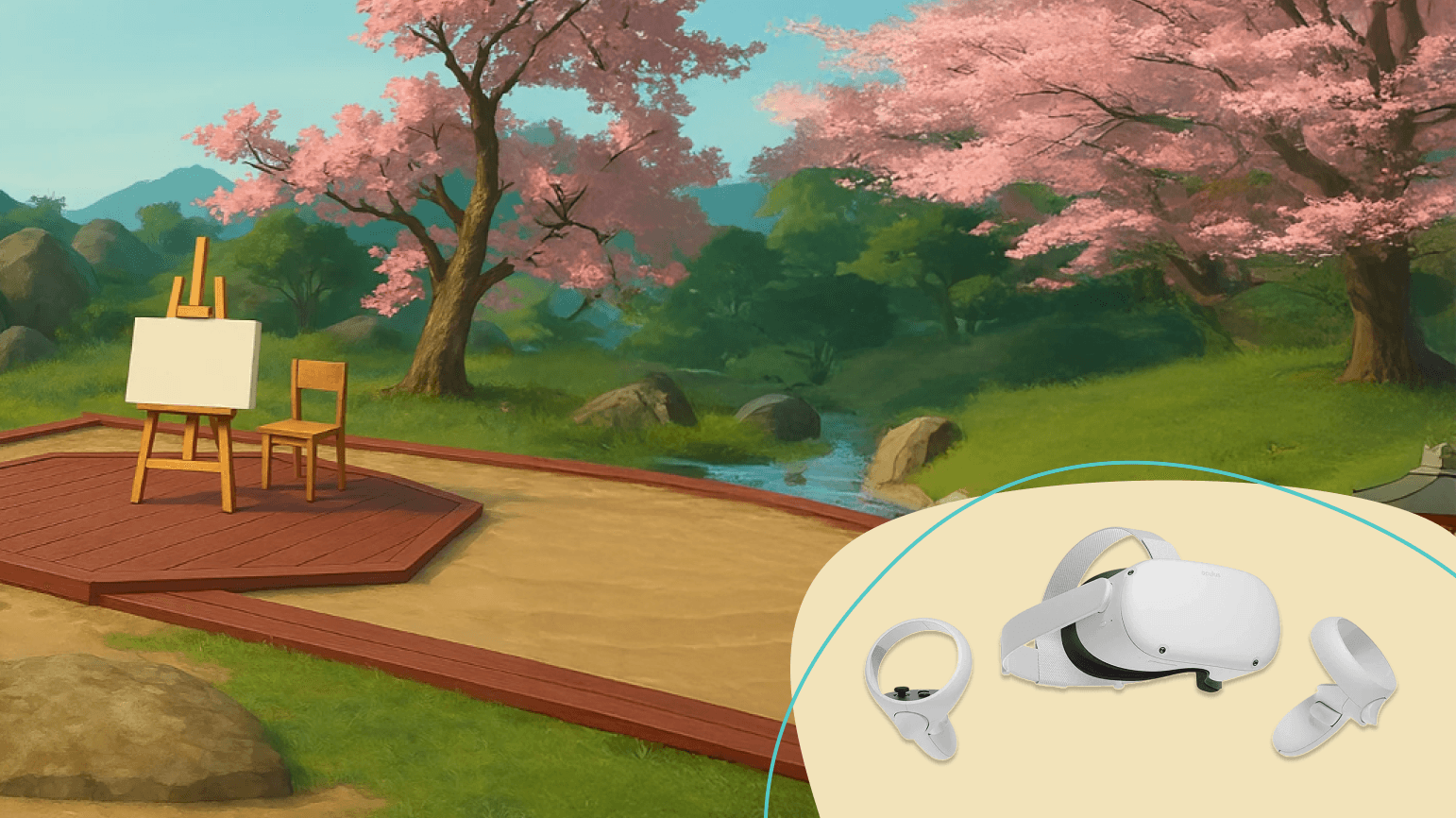 Learn more about Rohkea™ →
Rohkea™
NWL-003 · Commercial deployment active in UK (NHS)
2–5×
higher treatment-responder rate vs. placebo
~70%
patients reporting meaningful improvement
PAIN
Journal cover study
NHS
Active commercial deployment
Deliver structured CBT programs directly into patients' homes
Track engagement and treatment progress in real time
Give clinicians visibility between appointments
Break the kinesiophobia cycle with VR-based exposure therapy
Scale access to behavioral interventions beyond clinic capacity
Building in chronic pain? Let's talk.
Whether you are a pharmaceutical company exploring digital companions for a pain asset, a health system looking to scale access to behavioral interventions, or a medtech partner seeking a certified manufacturing route, Newel Health offers the regulatory infrastructure, clinical expertise, and proven platform to move with you.